We started building digital products in 2008. Since then, we’ve worked with more than 100 companies, launched our own startups, sold some, failed at others, and helped build products used by millions of people. Now we’re rebuilding Cleevio around the biggest shift we’ve seen since we started: companies are becoming AI-native. We want to help build them.
What does AI-native actually mean?
AI-native is not a tool you buy. It’s how a company is built, from leadership down to infrastructure.
It starts with people. Leadership uses AI daily, not as a demo but as a working habit. That standard spreads through the company, so every team understands what AI can and can’t do for its work.
Then it moves into the systems. Company data, tools and processes are connected through open protocols like MCP, so agents can see what’s happening and act within clear rules. Routine work gets automated: tracking invoices and cash flow, preparing sales outreach, running parts of marketing, coordinating onboarding and moving project data between systems. Engineering teams use agents to design, build and test software.
The last layer is orchestration and ownership. Agents share context instead of running as isolated experiments. Software that matters is built and owned in-house, not rented. Models are chosen per task: frontier models where they perform best, local models where privacy, cost or latency demand it. The stack is designed to swap them out as better models arrive.
We know how hard that is to get right because we built it at Cleevio first.
We rebuilt parts of our own operations
We built Cleevio Intelligence, our internal system that connects agents, automations and the tools we already use.
At the center is Iris, the orchestrator. A goal comes in through Slack, Iris pulls context and permissions from the company brain, delegates work to the right agents and returns one combined result. Agents share context, so a single request can move through finance, people and operations without anyone stitching it together by hand.
Every action runs under explicit authorization, and sensitive work runs on self-hosted models, so company data never has to leave our infrastructure.
Today the agents cover four areas:
- Finance: cash-flow visibility, invoices, payment matching, expenses and reporting.
- People: onboarding, offboarding, contracts, worklogs and internal requests.
- Operations: project information, reporting and recurring work across systems.
- Sales: client context, meeting preparation and follow-ups.
Management gets the same view across all four: decision support built on live company data instead of last month’s report.
- 01 Goal in Slack
- 02 Context & permissions
- 03 Agents collaborate
- 04 Combined result
The important part isn’t any single agent. It’s that they can work with the same company context and interact with existing tools. We’re also asking which subscriptions and manual processes we can replace with software we own. Internally, we call that desaaSifying Cleevio.
People remain responsible for the decisions that need their judgment. The system takes on more of the work around those decisions.
From seeing the numbers to doing the work
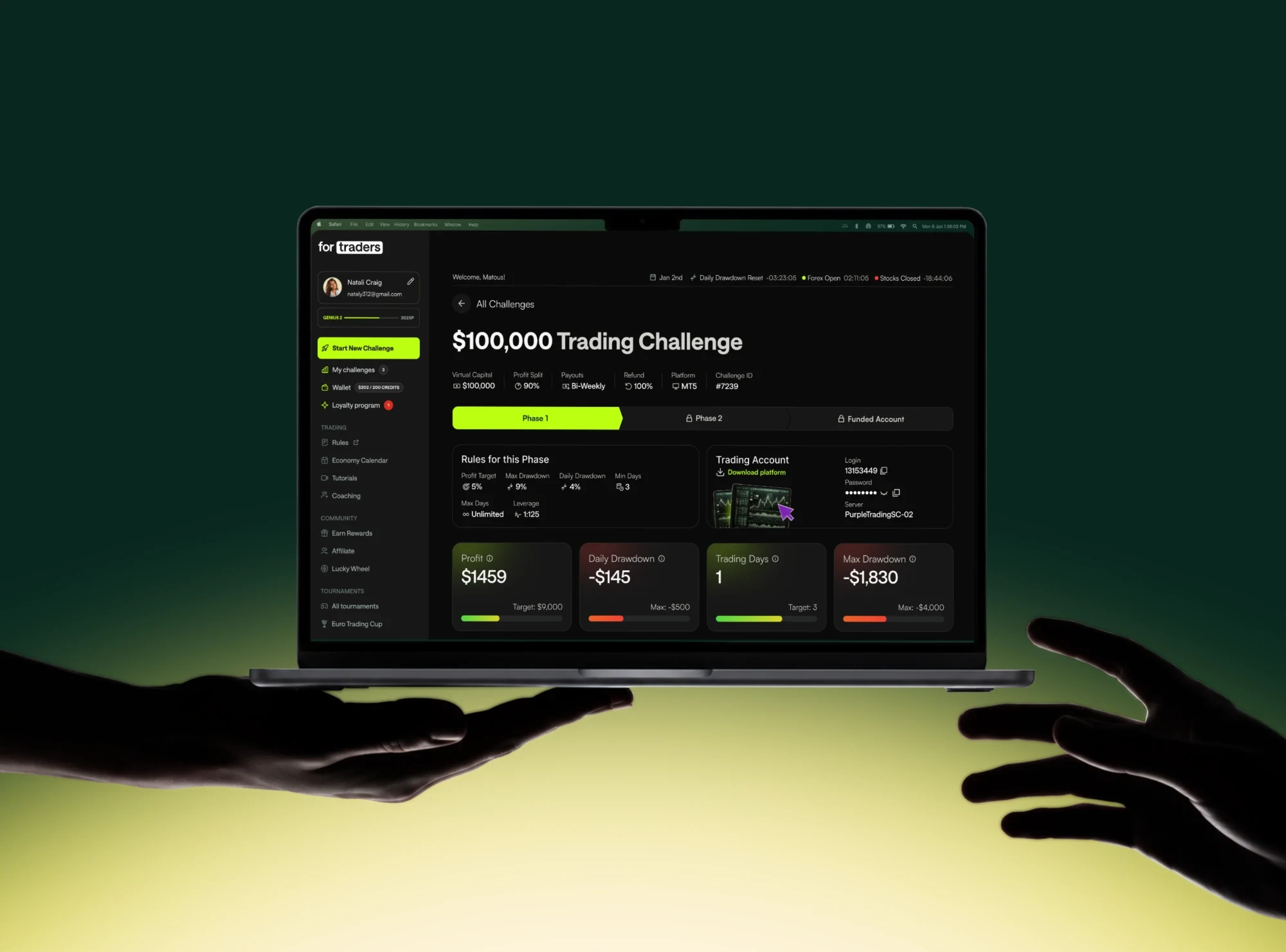
This approach also shapes the companies we build. ForTraders is a business we co-founded and helped build from scratch. It reached break-even in three months and grew into one of the largest prop trading firms in the market.
ForTraders runs as an AI-native growth operation. One agent has access to the full picture: revenue, ad spend across platforms, campaign performance and customer acquisition data. It also has access to the tools, from ad accounts to creative platforms like Higgsfield.
It doesn’t just report; it acts. It scales budgets on campaigns that work, pauses those that don’t, generates new variants of the best-performing ads, and plans and schedules social content on its own.
The result is a much smaller team than a business this size would normally need, with faster growth than we could have managed by hand.
From the first workshop to production agents
There’s no single route to becoming AI-native. Some companies need their first useful case; others have disconnected experiments or are ready to deploy agents. Our services cover that journey:
- 01Artificial Intelligence
- We identify where AI can create value, test it, and build it into everyday work. Start with AI Consulting & Leadership or AI Discovery & POC; move into AI Agents & Orchestration, AI Automation and LLM Integration. Our SaaS Audit & Replacement work examines what makes sense to own instead of rent.
- 02Design
- Faster software development makes product judgment more valuable. We use Product Discovery and MVP Design to decide what deserves to exist; UX/UI Design, Product Redesign and Design Audit to make it work for people.
- 03Engineering
- We’ve spent 18 years shipping production software. Today, smaller teams can move across more of the stack with AI in their workflow. We build Mobile Apps, Front-end and Back-end systems, with QA & Testing and Legacy Modernization when existing platforms need to evolve. The measure is useful software shipped, not code generated.
- 04Cloud
- Agents need reliable infrastructure, access to the right data, visibility into what they do and sensible running costs. Our work covers Cloud Consulting, DevOps and Cloud Migration & Modernization. Production is where the promises get tested.
We’re builders first
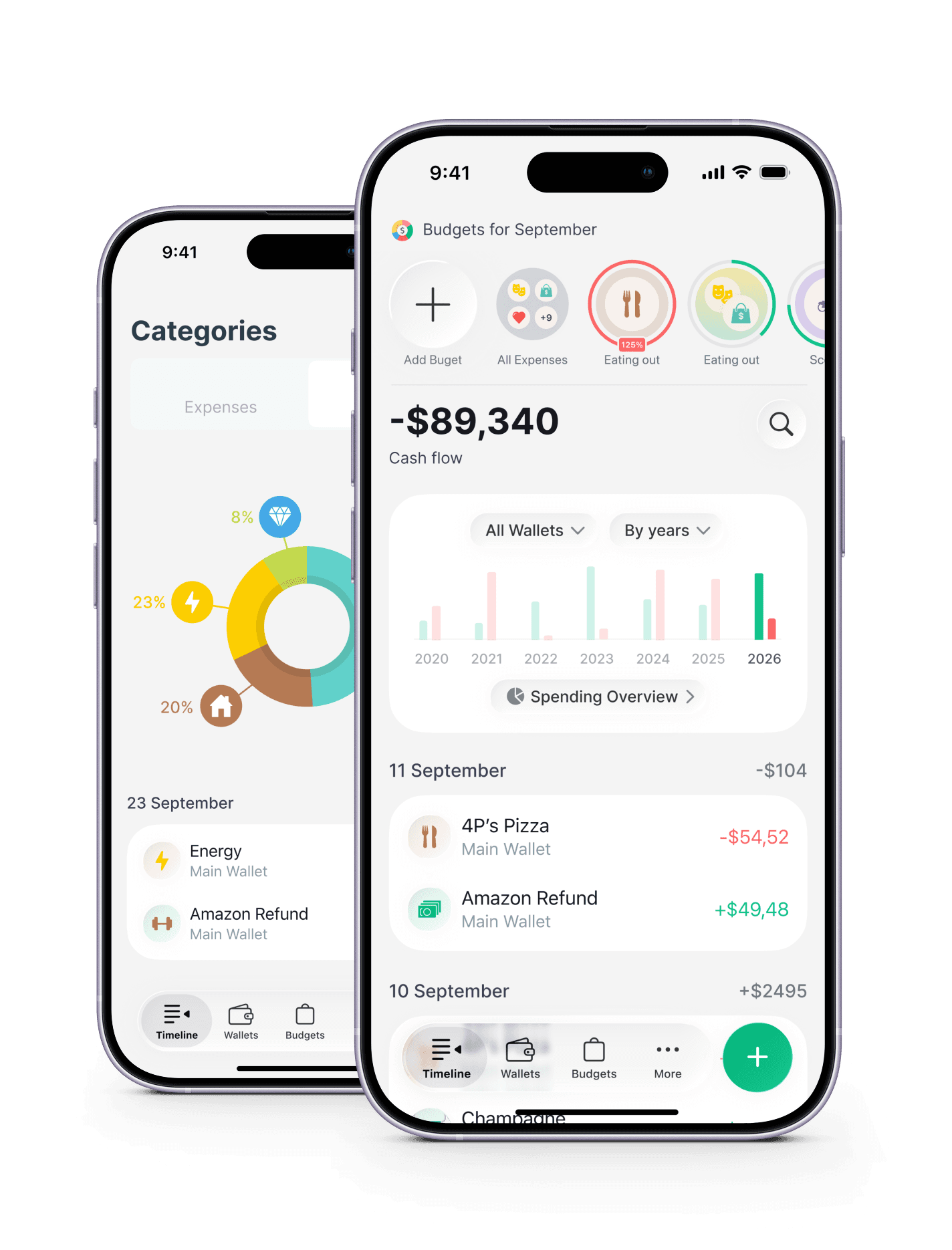
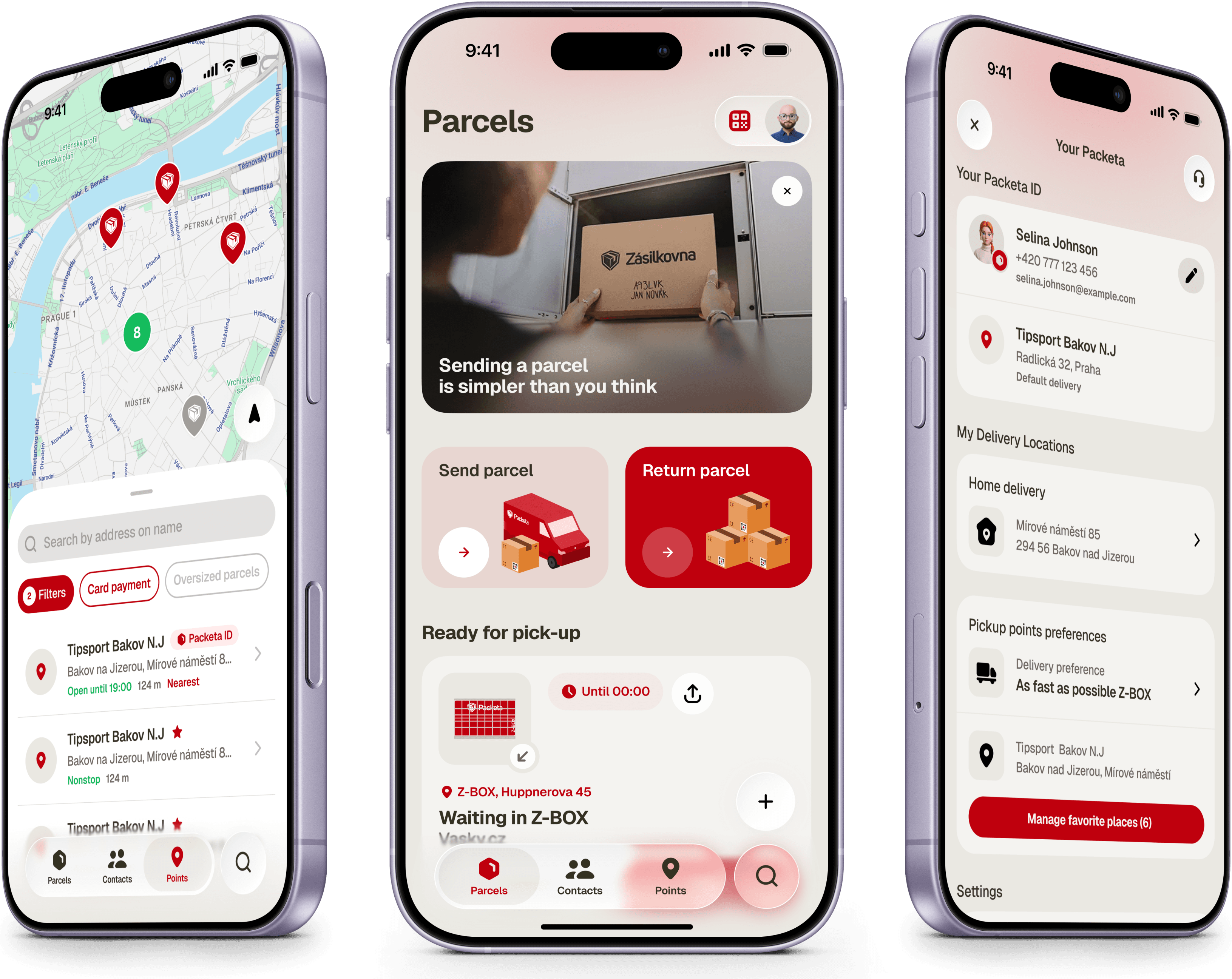
We don’t only advise other companies on building. We’ve built our own, including Spendee, a personal finance app used by millions. We helped build GAMEE before its acquisition by Animoca Brands, and grew ForTraders from zero. We’ve also built products and platforms for companies including Packeta, Fidoo, Prima, Volkswagen, McDonald’s and O2.

Welcome to the new Cleevio. Explore our new website and see what we can build together.